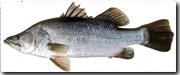
Apparent digestibility coefficients of selected feed ingredients for Asian seabass, Lates calcarifer reared in recirculatory aquaculture system
DOI:
https://doi.org/10.17017/j.fish.1259Keywords:
Asian seabass, feed ingredients, nutrient digestibility, RASAbstract
Digestible nutrient-based feed formulations have become more prevalent in aquaculture, especially in intensive recirculatory aquaculture systems (RAS). In order to maximize growth performance and feed efficiency in Asian seabass (Lates calcarifer) raised in RAS while minimizing waste output, it is imperative to assess the apparent digestibility of nutrients from different feed ingredients used in the feed formulations. Accordingly, an eight-week study was conducted to analyse the apparent digestibility coefficients of nutrients in selected protein sources for Asian seabass, Lates calcarifer, reared in RAS. The reference diet consisted of commercial seabass feed with 47% crude protein. The test diets were formulated based on a 70:30 ratio approach for ingredient digestibility evaluation using fishmeal (FM), squid meal (SQM), soybean meal (SBM), corn gluten meal (CGM), wheat flour (WF), and broken rice (BR). The reference and test diets were finely ground for homogeneity, mixed with 0.5% commercial binder for stability, digestibility indicator (0.5% chromic oxide), and 2 mm pellets were produced. Growth of fish fed different diets was significantly affected owing to large variations in the inclusion levels of each ingredient. ADC of protein, lipid and energy varied from 81 to 93%, 62.8 to 90.1% and 81 to 90.3% respectively. FM and SQM exhibited significantly higher nutrient digestibility values, as fish are carnivorous. The higher nutrient digestibility of major plant-based protein ingredients suggests a higher quality of source materials. Overall, the present study provides information on the bioavailability of nutrients in animal and plant feedstuffs for Asian seabass reared in RAS.
Downloads
References
Aksnes A, Mundheim H (1997) The impact of raw material freshness and processing temperature for fishmeal on growth, feed efficiency and chemical composition of Atlantic halibut (Hippoglossus hippoglossus). Aquaculture 149(1–2): 87–106.
Albrektsen S, Mundheim H, Aksnes A (2006) Growth, feed efficiency, digestibility and nutrient distribution in Atlantic cod (Gadus morhua) fed two different fishmeal qualities at three dietary levels of vegetable protein sources. Aquaculture 261(2): 626–640.
Amirkolaie AK, Leenhouwers JI, Verreth JA, Schrama JW (2005) Type of dietary fibre (soluble versus insoluble) influences digestion, faeces characteristics and faecal waste production in Nile tilapia (Oreochromis niloticus L.). Aquaculture research 36(12): 1157–1166.
AOAC (2010) Official methods of analysis, 18th Edition. Association of Official Analytical Chemist, Washington, D.C.
Aslaksen MA, Kraugerud OF, Penn M, Svihus B, Denstadli V, … Storebakken T (2007) Screening of nutrient digestibilities and intestinal pathologies in Atlantic salmon, Salmo salar, fed diets with legumes, oilseeds, or cereals. Aquaculture 272(1–4): 541–555.
Badiola M, Mendiola D,Bostock J (2012) Recirculating aquaculture systems (RAS) analysis: main issues on management and future challenges. Aquacultural Engineering 51: 26–35.
Booth M, Pirozzi I (2018) Making sense of nonsense: Using regression analysis to deal with highly variable data collected from a yellowtail kingfish (Seriola lalandi) digestibility experiment. Aquaculture 485: 39–48.
Booth MA, Pirozzi I (2021) The digestibility of raw materials by barramundi Lates calcarifer: emphasis on the effect of inclusion rate on the digestibility of soybean meal and soy protein concentrate. Animal Feed Science and Technology 273: 114800.
Bureau D, Hua K (2006) Letter to the Editor of Aquaculture. Aquaculture 252(2–4): 103–105.
Bureau DP, Harris AM, Cho CY (1999) Apparent digestibility of rendered animal protein ingredients for rainbow trout (Oncorhynchus mykiss). Aquaculture 180(3–4): 345–358.
Camacho-Rodríguez J, Macías-Sánchez M D, Cerón-García MC, Alarcón FJ, Molina-Grima E (2018) Microalgae as a potential ingredient for partial fish meal replacement in aquafeeds: nutrient stability under different storage conditions. Journal of Applied Phycology 30(2): 1049–1059.
Cho C, Slinger SJ (1979) Apparent digestibility measurement in feedstuffs for rainbow trout. In: Halver JO, Tiews K (Eds) World Symposium on Fin Fish Nutrition and Fish Feed Technology, pp 239–247.
Cho CY, Kaushik SJ (1990) Nutritional energetics in fish: energy and protein utilization in rainbow trout (Salmo gairdneri). World Review of Nutrition and Dietetics 61: 132–172.
Drew MD, Borgeson TL, Thiessen DL (2007) A review of processing of feed ingredients to enhance diet digestibility in finfish. Animal feed science and technology 138(2): 118–136.
FAO (2024) Food and Agriculture Organization: The State of World Fisheries and Aquaculture 2024.
Glencross B D (2020) A feed is still only as good as its ingredients: an update on the nutritional research strategies for the optimal evaluation of ingredients for aquaculture feeds. Aquaculture Nutrition 26(6): 1871–1883.
Glencross B, Blyth D, Cheers S, Bourne N, Wade N, Irvin S (2017) A compendium of raw material digestibilities for barramundi, Lates calcarifer. Aquaculture Nutrition 23(5): 1055–1064.
Glencross B, Blyth D, Tabrett S, Bourne N, Irvin S, … Smullen R (2012) An assessment of cereal grains and other starch sources in diets for barramundi (Lates calcarifer)–implications for nutritional and functional qualities of extruded feeds. Aquaculture Nutrition 18(4): 388–399.
Glencross B, Blyth D, Wade N, Arnold S (2018) Critical variability exists in the digestible value of raw materials fed to black tiger shrimp, Penaeus monodon: the characterisation and digestibility assessment of a series of research and commercial raw materials. Aquaculture 495: 214–221.
Glencross BD, Booth M, Allan GL (2007) A feed is only as good as its ingredients– a review of ingredient evaluation strategies for aquaculture feeds. Aquaculture nutrition 13(1): 17–34.
Glencross BD, Carter CG, Duijster N, Evans DR, Dods K, … Sipsas S (2004) A comparison of the digestibility of a range of lupin and soybean protein products when fed to either Atlantic salmon (Salmo salar) or rainbow trout (Oncorhynchus mykiss). Aquaculture 237(1–4): 333–346.
Hong YC, Chu JH, Kirby R, Sheen SS, Chien A (2021) The effects of replacing fish meal protein with a mixture of poultry by‐product meal and fermented soybean meal on the growth performance and tissue nutritional composition of Asian seabass (Lates calcarifer). Aquaculture Research 52(9): 4105–4115.
Hua K, Bureau DP (2009) A mathematical model to explain variations in estimates of starch digestibility and predict digestible starch content of salmonid fish feeds. Aquaculture 294(3–4): 282–287.
Hua K, Cobcroft JM, Cole A, Condon K, Jerry DR, … Strugnell JM (2019) The future of aquatic protein: implications for protein sources in aquaculture diets. One Earth 1(3): 316–329.
Irvin SJ, Tabrett SJ (2005) A novel method of collecting fecal samples from spiny lobsters. Aquaculture 243(1–4): 269–272.
Katya K, Borsra MZS, Ganesan D, Kuppusamy G, Herriman M, … Ali S A (2017) Efficacy of insect larval meal to replace fishmeal in juvenile barramundi, Lates calcarifer reared in freshwater. International Aquatic Research 9: 303–312.
Kokou F, Fountoulaki E (2018) Aquaculture waste production associated with antinutrient presence in common fish feed plant ingredients. Aquaculture 495: 295–310.
Ma Z, Hassan MM, Allais L, He T, Leterme S, … Qin JG (2019) Comparison of partial replacement of fishmeal with soybean meal and EnzoMeal on growth performance of Asian seabass Lates calcarifer. Comparative Biochemistry and Physiology Part C: Toxicology & Pharmacology 216: 29–37.
Madhubabu EP, Jannathulla R, Khan HI, Ambasankar K, Dayal JS (2021) A blend of plant proteins as a potential fishmeal substitute in the diet of Asian seabass Lates calcarifer (Bloch, 1790): effect on growth, digestive enzymes and fatty acid composition. Indian Journal of Fisheries 68(4): 65–75.
McMeniman N (1996) Digestibility and utilisation of starch by barramundi. Aquaculture Diet Development Subprogram: Ingredient Evaluation (GL Allan, MA Booth, DAJ Stone and AJ Anderson Eds.) Project 391: 135–139.
Meriac A, Eding EH, Kamstra A, Busscher JP, Schrama JW, Verreth JA (2014) Denitrification on internal carbon sources in RAS is limited by fibers in fecal waste of rainbow trout. Aquaculture 434: 264–271.
Ngo DT, Pirozzi I, Glencross B (2015) Digestibility of canola meals in barramundi (Asian seabass; Lates calcarifer). Aquaculture 435: 442–449.
Opstvedt J, Mundheim H, Nygård E, Aase H, Pike IH (2000) Reduced growth and feed consumption of Atlantic salmon (Salmo salar L.) fed fish meal made from stale fish is not due to increased content of biogenic amines. Aquaculture 188(3–4): 323–337.
Prabhu PAJ, Fountoulaki E, Maas R, Heinsbroek LTN, Eding EH, … Schrama JW (2019) Dietary ingredient composition alters faecal characteristics and waste production in common carp reared in recirculation system. Aquaculture 512: 734357.
Refstie S, Korsøen ØJ, Storebakken T, Baeverfjord G, Lein I, Roem A J (2000) Differing nutritional responses to dietary soybean meal in rainbow trout (Oncorhynchus mykiss) and Atlantic salmon (Salmo salar). Aquaculture 190(1–2): 49–63.
Riche M (2015) Nitrogen utilization from diets with refined and blended poultry by-products as partial fishmeal replacements in diets for low-salinity cultured Florida pompano, Trachinotus carolinus. Aquaculture 435: 458–466.
Samaddar A (2018) A review of fishmeal replacement with fermented biodegradable organic wastes in aquaculture. International Journal of Fisheries and Aquatic Studies 6(6): 203–208.
Suarez JA, Tudela C, Davis D, Daugherty Z, Taynor M, … Benetti DD (2013) Replacement of fishmeal by a novel non-GM variety of soybean meal in cobia, Rachycentron canadum: ingredient nutrient digestibility and growth performance. Aquaculture 416–417(4): 328–333.
Tacon AG, Metian M (2008) Global overview on the use of fishmeal and fish oil in industrially compounded aquafeeds: trends and future prospects. Aquaculture 285(1–4): 146–158.
Turchini GM, Trushenski JT, Glencross BD (2019) Thoughts for the future of aquaculture nutrition: realigning perspectives to reflect contemporary issues related to judicious use of marine resources in aquafeeds. North American Journal of Aquaculture 81(1): 13–39.
Van Vo B, Siddik MA, Fotedar R, Chaklader MR, Hanif MA, … Nguyen HQ (2020) Progressive replacement of fishmeal by raw and enzyme-treated alga, Spirulina platensis influences growth, intestinal micromorphology and stress response in juvenile barramundi, Lates calcarifer. Aquaculture 529: 735741.
Venou B, Alexis M N, Fountoulaki E, Haralabous J (2006) Effects of extrusion and inclusion level of soybean meal on diet digestibility, performance and nutrient utilization of gilthead sea bream (Sparus aurata). Aquaculture 261(1): 343–356.